
The Ultimate Full-Body Workout Routine Perfect for Every Fitness Level
- GlobeFit Hub

- Jun 3
- 4 min read
Finding a workout routine that suits various fitness levels can be challenging. Whether you are a beginner just starting your journey or a seasoned gym-goer looking for a new challenge, a full-body workout can deliver the benefits of strength training and cardiovascular fitness simultaneously. This post will introduce a full-body workout that everyone can access, featuring exercises you can modify to fit your abilities.
Understanding Full-Body Workouts
A full-body workout engages multiple muscle groups across your entire body rather than isolating one area. This type of training not only boosts strength and endurance but also enhances your metabolism and promotes balanced muscle development.
Engaging in full-body workouts has several advantages:
Efficiency: You can target all major muscle groups in one session, saving time in your weekly workout schedule.
Enhanced Coordination: These workouts often involve movements that engage multiple systems, improving your balance and overall coordination.
Higher Caloric Burn: Larger muscle groups require more energy, leading to a higher heart rate and increased caloric expenditure. Research shows that full-body workouts can elevate caloric burn by nearly 15%, making them ideal for those aiming to lose weight.
With these benefits in mind, let's explore the full-body workout routine that caters to diverse fitness levels.
Getting Started: Warm-Up Routine
Warming up is essential for preparing your body and reducing injury risks. A proper warm-up increases blood flow to the muscles, improves flexibility, and mentally prepares you for the workout ahead.
Dynamic Stretching
Spend about 5-10 minutes on dynamic stretches such as:
Arm Circles: Stand upright and make large circles with your arms, moving both forward and backward.
Leg Swings: Hold onto a wall or support, swing one leg forward and backward in a controlled manner.
Torso Twists: Keep your feet shoulder-width apart and gently twist your torso from side to side.
Incorporating these movements helps prime your body for the exercises to come.
The Workout Routine
This workout includes exercises that target legs, back, chest, arms, and core, ensuring a comprehensive session. Perform each exercise for 3 sets of 10-15 repetitions based on your fitness level.
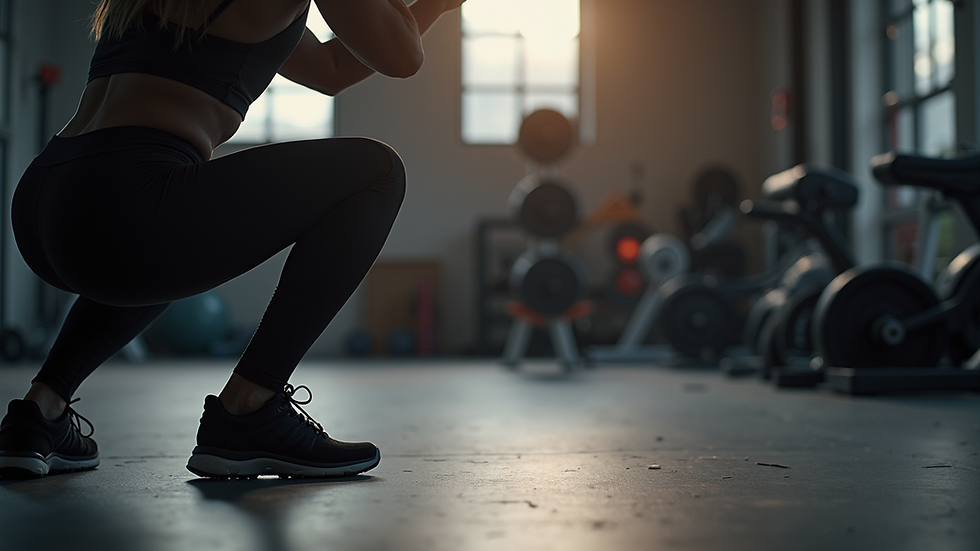
1. Squats
Squats are a foundational exercise that strengthens the quadriceps, hamstrings, and glutes.
How to Perform: Stand with feet shoulder-width apart. Lower your body by bending your knees, keeping your chest upright and back straight. Push through your heels to return to the starting position.
2. Push-Ups
This classic upper-body exercise targets the chest, shoulders, and triceps.
How to Perform: Begin in a plank position with hands slightly wider than shoulder-width apart. Lower your body until your chest almost touches the ground, then press back up.
Modification: If needed, perform push-ups on your knees or against a wall for a gentler variation.
3. Bent-Over Rows
Bent-over rows engage your back and help enhance posture.
How to Perform: Stand with feet shoulder-width apart. Bend slightly at the hips while holding weights in each hand. Pull the weights towards your lower ribcage, squeezing your shoulder blades together.
Modification: You can also use resistance bands for a different challenge.
4. Plank
Planks are crucial for improving core strength and stability.
How to Perform: Start on all fours, extend your legs back until your body forms a straight line from head to heels. Hold this position, engaging your core while keeping a neutral spine.
Tip: Start with 20-30 seconds and gradually increase your hold time as you get stronger.
5. Lunges
Lunges not only target the legs but also activate the core for added stability.
How to Perform: Stand tall, take a step forward with one leg, and lower your hips until both knees align at a 90-degree angle. Push through the front heel to return to the starting position and switch legs.

6. Glute Bridges
This movement strengthens your glutes and core.
How to Perform: Lie on your back with knees bent and feet flat on the ground. Lift your hips towards the ceiling by squeezing your glutes, then lower back down.
7. Bicycle Crunches
Target your core with this dynamic exercise.
How to Perform: Lie on your back, bring your knees towards your chest. In a pedalling motion, move your elbows towards the opposite knee while extending the other leg.
Cool Down and Stretching
Just as warming up is crucial, cooling down helps your body recover after a workout. Spend 5-10 minutes performing static stretches to enhance flexibility and promote recovery.
Static Stretching
Focus on stretching the major muscle groups you worked:
Quad Stretch: Stand on one leg and pull your opposite foot towards your glutes.
Chest Stretch: Stand in a doorway, place your arms at shoulder height on the door frame, and lean slightly forward.
Hamstring Stretch: Sit on the floor and reach towards your toes, bending at the waist.

Incorporate these stretches to minimize muscle soreness and enhance flexibility.
Making It Work for Everyone
The beauty of a full-body workout is its versatility. You can tailor the routine to fit anyone's needs.
Beginners: Focus on mastering your form and bodyweight exercises. Start with fewer repetitions or sets, and increase gradually.
Intermediate: Add weights or resistance bands to challenge your muscles further and intensify your workout.
Advanced: Try advanced variations of these exercises or introduce higher-intensity intervals for an intense challenge.
Planning Your Full-Body Workouts
Aim for full-body workouts two to three times a week, with rest days in between to facilitate recovery. Pair these workouts with cardio-focused activities like running, cycling, or swimming for a well-rounded fitness regimen.
Consider creating a workout calendar to track your sessions and ensure a mix of strength and cardio workouts throughout the week.
Your Path to Fitness Success
With this full-body workout routine, anyone can boost their fitness level, gain strength, and embrace new challenges. Consistency is vital, so listen to your body along your journey.
As you progress, don’t hesitate to modify exercises or refresh your routine to keep things interesting. Celebrate your achievements, no matter how small, and enjoy the path to better health and fitness!
By following this guide, you'll establish a workout routine that adjusts to your fitness level and supports your growth. Start today, and remember that each workout brings you closer to a healthier you!


Comments